
Display (Programmatic) Advertising Google Ads is when businesses can have their ads been shown while someone is scrolling through a website, watching a video, or using a mobile app. Display ads pop up on third parties websites instead of popping up on search queries like paid-search ads. The placement is a big component for how display ads work to achieve a business campaign goal. The main goal of a display ad would be to gain awareness of the business.
The way that display advertising in Google Ads works is by using the programmatic feature of this ad type. Programmatic advertising means that these display ads are placed automatically on their own in places such as websites, videos, and apps. Therefore, there is no need for manual placement of where the display ads would go. This saves a lot of time, and strategic thinking. Google uses targeting signals in real time to place the ads accordingly in front of customers who would be most likely interested in the service or product. This type of advertising is highly effective in comparison to manual advertising placements.
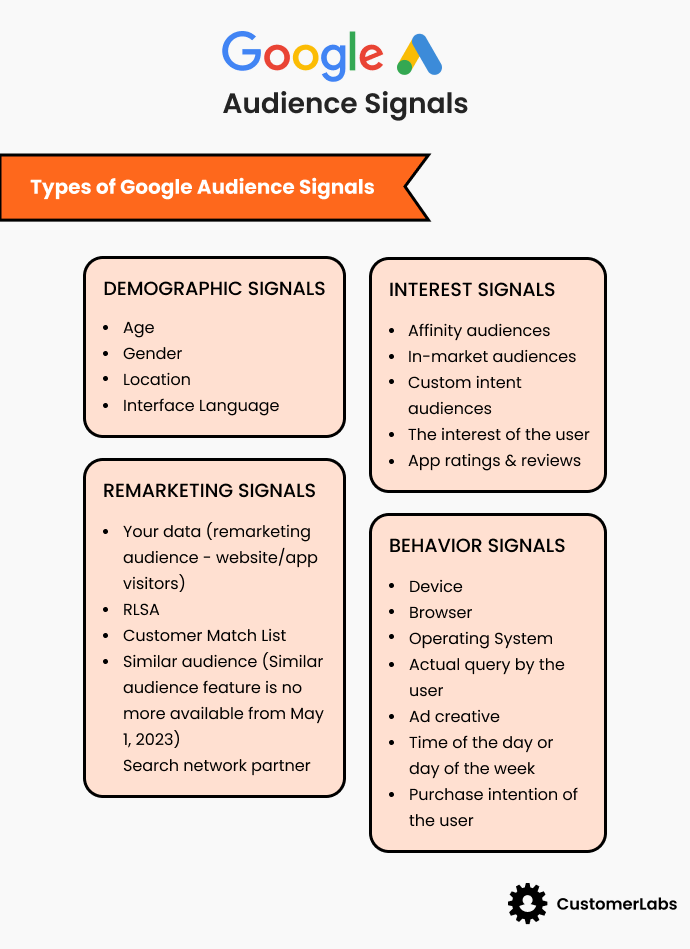
In a display (programmatic) advertising Google Ads the components that tell Google what type of customers you are trying to reach are by the different target segmentations you list out for your campaign. There are no keywords used to target a certain type of audience like paid-search ads do. The targeting options in a display ad are demographics, affinity, custom affinity, in-market, remarketing, and life events. All these targeting options help Google find where to display your ad at and where. Targeting options are key to display ads because it is the marketers responsibility to make sure you list out these audiences for Google to see. Without this information it is hard for ads to be placed in front of the right people at the right time.
In a display ad if a marketer chooses to have the targeting option be demographics then Google will choose to show the display ad somewhere like scrolling through a website, watching a video, or using a mobile app based on an individual’s demographics. Demographics include age, gender, and parental status. If a marketer chooses affinity targeting this would include reaching users based on their passions, habits, and interests. Custom affinity is when a marketer chooses to dig deeper into passions, habits, and interests of a certain audience. This type of targeting is meant for more niche products/services. Remarketing is when visual aids are targeted to users who have been on your website before, or users who have shown some sort of interest in your brand. This is a really good targeting option because it pushes your business in front of people who most likely have some type of conversion. In-market targeting reaches users based on their recent purchase intent, these are the users who are in a certain type of market looking to make a purchase. Lastly, life events include reaching users based on important milestone events in their life such as graduation and marriage.
Unlike search ads, display advertising needs to have a strong focus on the visual outlook of the ad. Since display ads are programmatically placing the ads based on target singles that come demographics, affinity, custom affinity, in-market, remarketing, and life events a market needs to make sure their visual is strong. A strong visual display ad includes clear messages, eye catching images, and confident branding. Display ads can include images, responsive ads, and video placements. Display ads are meant for long term marketing goals for a brand. Display ads are really good for brands who are just trying to get started. It is hard to be successful if you are unknown.
Display advertising through Google Ads allows for a business to reach people while scrolling through the internet instead of reaching people just from search results. While using programmatic technology, audience targeting, and strong visual ad format helps a business draw in awareness, and remain as a strong visible brand. When combined with search ads, SEO tactics, quality score display ads help build a stronger online presence.
Leave a Reply