
Search Engine Optimization (SEO) is the foundation of digital visibility. It’s the process of optimizing your website and content so search engines like Google can easily understand, rank, and recommend it to users. Mastering SEO fundamentals means learning how to align your content with both search engine algorithms and human intent — the two forces that determine your online success.
1. Keyword Research and Intent
Every great SEO strategy begins with understanding what people are searching for. Keyword research identifies the exact phrases and questions your target audience uses. Equally important is search intent — whether users are looking to learn, compare, or buy. Matching your content to intent ensures relevance and higher engagement.
2. On-Page Optimization
Once you’ve identified your keywords, on-page SEO helps search engines interpret your content. This includes:
- Strategic keyword placement in titles, headings, and meta descriptions
- Writing alt-text for images to improve accessibility and image search performance
- Using internal links to guide users through related pages and boost site authority
3. Technical SEO
Behind the scenes, technical SEO ensures your site runs smoothly. Search engines favor websites that are fast, mobile-friendly, and secure (HTTPS). Clean site architecture, structured data, and XML sitemaps help crawlers understand your pages, while reducing crawl errors keeps your site competitive. In another page on my website I talk about seo and ai concepts for ranking content in llms.
4. Content Quality and Relevance
Content remains the heart of SEO. Focus on creating valuable, original, and authoritative material that satisfies the user’s query. High-quality content keeps visitors engaged longer — a signal to search engines that your page deserves a higher ranking.
5. Backlinks and Authority
Backlinks (links from other websites) act as votes of confidence. The more trustworthy sources link to your content, the more authority your website gains in search rankings. Earning backlinks through guest posts, digital PR, and shareable content can strengthen your domain reputation.
6. Continuous Optimization
SEO isn’t a one-time effort. Search algorithms and user behavior evolve constantly. Regularly analyzing performance metrics (traffic, bounce rate, conversion rate) helps you refine your strategy, fix underperforming pages, and stay ahead of competition.
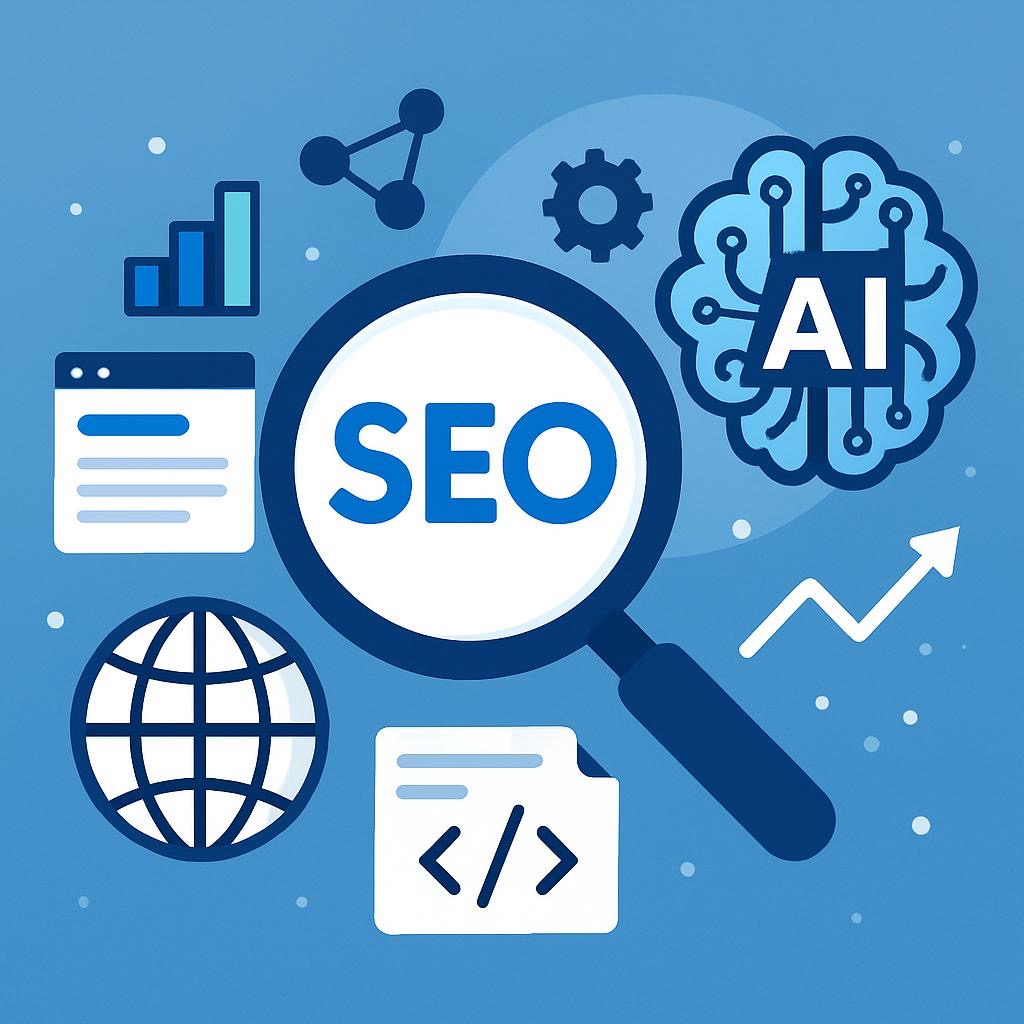
In essence:
Understanding SEO fundamentals equips you with the tools to make your content discoverable, credible, and impactful. Whether you’re building a brand, writing a blog, or managing a business website, applying these core principles will help your content rise above the noise — and stay there.
Introduction: SEO and AI Concepts for Ranking Content in LLMs
SEO and AI concepts for ranking content in LLMs represent the next stage of digital marketing evolution. By merging artificial intelligence with traditional search optimization, marketers can better understand how large language models evaluate content relevance and quality. These insights help creators produce content that both ranks high and aligns with modern search intent.
For a visual overview, watch this video: How AI is Changing SEO Forever.
H2: Why SEO Remains Vital in the AI Era
Even with the rise of artificial intelligence, SEO remains a crucial foundation. Search engines and LLMs still rely on structured data, readable content, and meaningful keywords to determine ranking. When combined with AI’s ability to interpret context and semantics, SEO becomes more predictive and adaptable to user needs.
Tip: Use concise headings, meta tags, and internal linking to improve crawlability. These elements help both algorithms and readers easily navigate your page.
H2: Applying AI Insights to Improve SEO Strategies
Integrating AI into your SEO process allows you to analyze behavior patterns, predict trends, and optimize intent-driven keywords. AI tools can process large datasets to find patterns humans might overlook—revealing what search engines and LLMs prioritize when displaying top results.
For example, AI-driven keyword tools can suggest related semantic phrases that increase topical relevance. This approach helps your content rank for more natural queries rather than relying on keyword repetition.
H3: How to Rank Content in LLMs Effectively
To improve your ranking in LLMs, focus on clarity, credibility, and context. Write naturally but precisely. Avoid overstuffing keywords—LLMs prefer well-structured paragraphs that flow logically.
Use transition words like therefore, in addition, and as a result to improve readability and coherence.
You should also include outbound links (such as trusted YouTube sources or research articles) and internal links to relevant pages. This builds authority while enhancing user experience.
H2: The Connection Between AI Optimization and Human Creativity
Balancing AI insights with human storytelling strengthens your digital presence. While AI can help with keyword research, structure, and tone analysis, human creativity drives engagement and authenticity. The best-ranking content reflects both analytical precision and emotional resonance.
Conclusion: The Future of SEO and AI Concepts for Ranking Content in LLMs
The future of search lies in the blend of SEO and AI concepts for ranking content in LLMs. By embracing both disciplines, you ensure your content remains visible, engaging, and adaptable to changing algorithms. As LLMs continue shaping the digital landscape, those who master AI-enhanced SEO will lead the next era of online discovery.
Leave a Reply